
You hear people talk about burn-out symptoms but rarely do you ever hear anyone discuss losing your preference for everything. Not in a sudden or grandiose way. You won’t suddenly lose all your preferences one day. It’s a subtle loss.
Someone will ask you what you would like for dinner and you’ll honestly be unable to decide. You used to love watching your favourite TV show. Now you doom scroll through it and simply shrug with indifference. You take up a new hobby that you absolutely loved six months ago and it feels as though you’re handling something that belonged to another person.
Long term depletion causes this. Depletion drains your energy levels. Long term depletion also reduces the signal between you and what you truly want. Everything seems somewhat acceptable and nothing seems completely right.
I’ve experienced this. Many times. And what I’ve discovered that works best for me isn’t trying to recapture the sensation. Nor am I asking myself “what do I like?” When my mind cannot provide an answer. What has worked for me is something that develops slowly enough so the signal finds its way back by itself.
The next three games develop slowly enough for the signal to find its way back on their own.
Little Kitty, Big City is exactly what it says. You are a small kitty in a big city. You tumbled from a window. You are attempting to go home. On the way you gather hats; cause ruckus with gulls; tip items off of edges; and become friends with other creatures. Little Kitty, Big City has a narrative, however it is gentle. Mostly you just wander. This game provides the opportunity to discover things humorous again; to experience affection towards something small again; and ultimately remember what it is to laugh and smile when you think laughter and smiles have disappeared forever. These are valuable discoveries during the ‘flattening’ phase of burn-out.
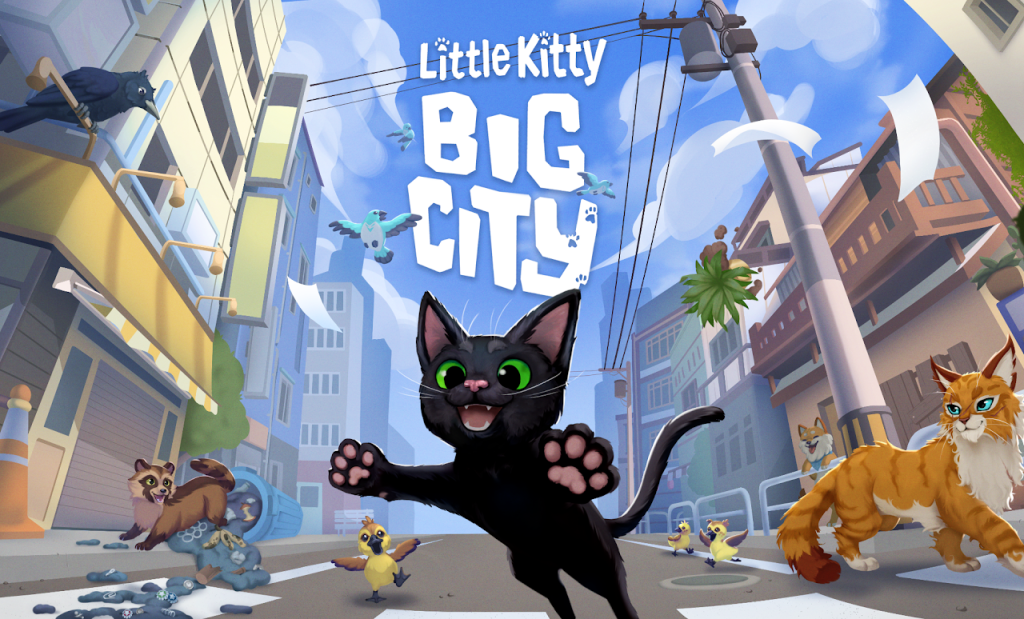
“Little Kitty, Big City gives us the same chaotic vibes as Untitled Goose Game”
Gamesradar
“Finally, A Game That Lets You Be A Silly Little Cat Doing Silly Little Things”
Kotaku
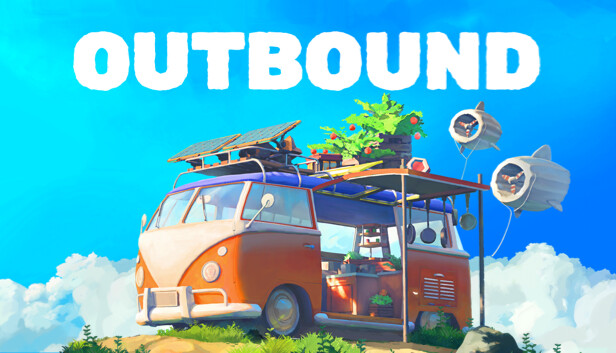
Outbound is a hiking/camping simulation, you explore; establish camps; create things. The world is gentle like the real countryside. Which means it does nothing to you. It exists. You exist in it. You observe things. The world is neither urgent nor demanding, nor does it include a countdown timer attached to a map pin. To a brain that is exhausted and over-managed by constant stimulation and management, travelling in the virtual wilderness at whatever speed suits you may reduce the noise level of life.
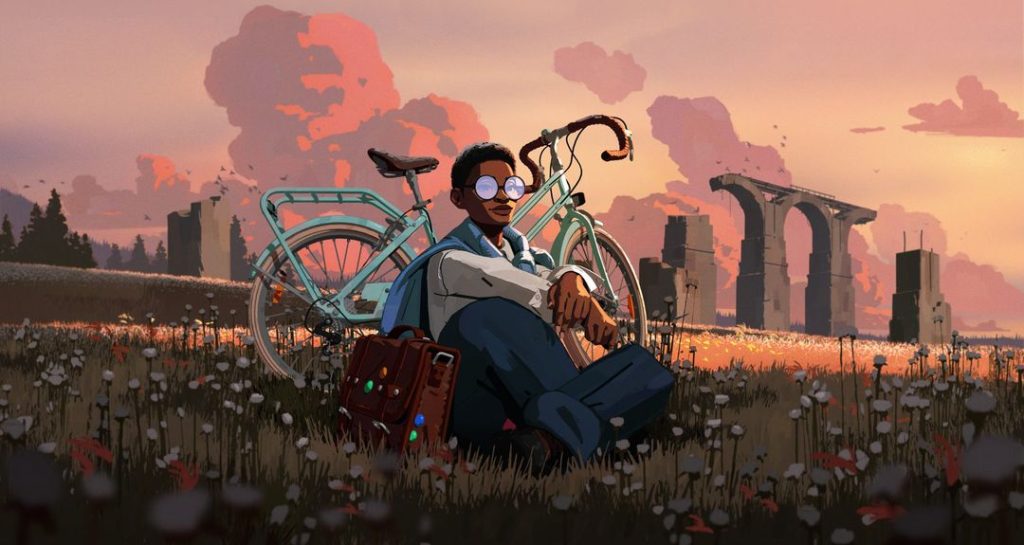
Season: A letter to the future is one of my favourite games for this exact feeling because Season: A letter to the future is primarily focused upon observing things. You’re documenting a world prior to a cataclysm destroying the world, photographing, recording, and writing journal entries. Essentially, the entire game represents paying attention to what is surrounding you, which becomes an interesting method for returning to what you enjoyed while experiencing an inability to identify those enjoyable aspects. You don’t need to know what you enjoy to acknowledge something as beautiful. As well as the beauty observed, the rest returns, slowly.
All three of these games share one aspect: They do not demand that you know what you want from them to begin playing. The games meet you wherever you are at.
If you’d prefer something that is more closely aligned with your current state, the quiz does that. It’s not prescriptive. it might just point you in the right direction.
Also, if you are further into feelings similar to these, the above list is a reference point. this list is for when there’s nothing left at all.
I want to make one thing crystal clear, I didn’t say that gaming cured my burn out, but it did give me some room. It muffled or turned off a lot of other things. With the soothing games, I had time to reflect on what was really happening under the surface. Honestly, this has been an ongoing process I have worked at daily.